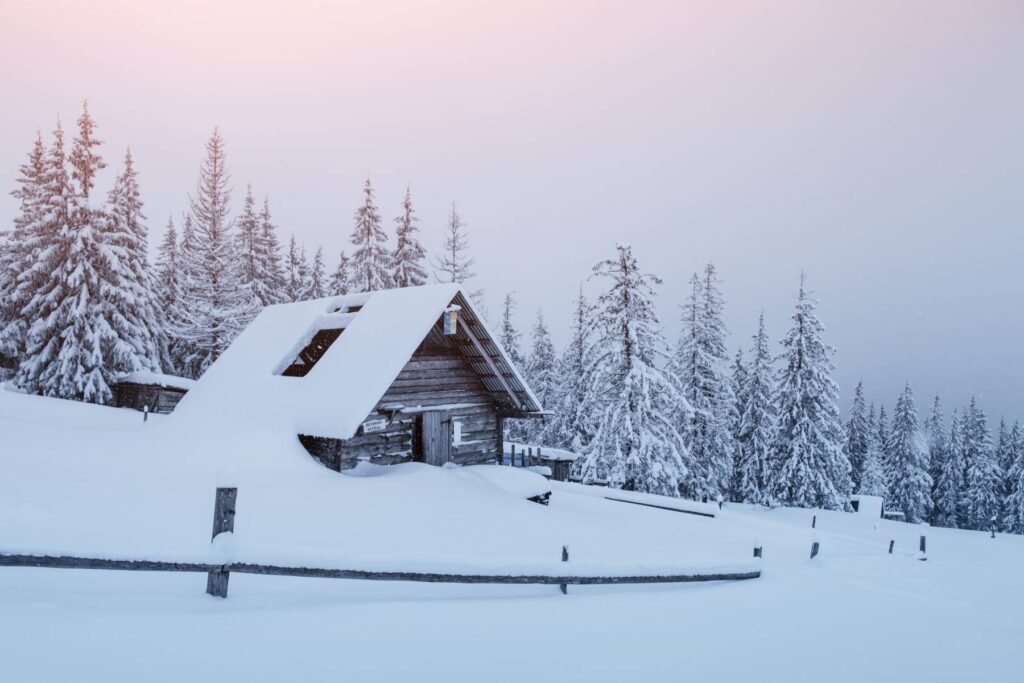
Every Wisconsin winter, the same scene repeats on streets in Slinger and across Washington County. A thick ridge of ice builds along the roof edge, icicles hang like curtains from the gutters, and a brown stain appears on a bedroom ceiling a week later. Most homeowners treat ice dams as a roof problem. A home inspector who spends time in attics sees them differently, because the roof is usually just where the evidence shows up.
How Ice Dams Actually Form
They need two things at once: snow on the roof and heat leaking into the attic. When warm air from the living space escapes upward, it warms the roof deck from below, and the snow above begins to melt. The meltwater runs down the roof until it reaches the eaves, where the surface stays cold because there is no warm house underneath. There it refreezes into a ridge. As the ridge grows, new meltwater backs up behind it, finds gaps under the shingles, and drips into the house.
Focus on Energy explains in its guide to ice dams that the culprits are usually gaps around can lights, ceiling fans, chimney chases, and drop soffits, combined with attic insulation that falls short of what a Wisconsin home needs. That matches what inspectors see in the field. The ice at the edge of the roof is a map pointing to the leaks inside.
What a Home Inspector Looks For
During a residential inspection, ProCheck Home Inspections looks at the roof, the attic, and the ceilings below as a connected system. In the attic, the inspector checks insulation depth and coverage, looks for compressed or missing sections, and notes whether baffles keep vents clear at the eaves. Dark staining around nail tips, frost on the underside of the roof deck, and matted insulation near the soffits all suggest that warm, moist air has been moving where it should not.
Outside, the inspector looks at the eaves, flashing, gutters, and the condition of the shingles near the roof edge. Water stains on exterior soffits, peeling paint under the fascia, and sagging gutters are common signs that the ice has been at work in past winters. Inside, stains on ceilings along exterior walls and bubbling paint near window corners tell the same story from the other direction.
Why Slinger Homes Are Worth a Close Look
The area includes homes from many eras. Older houses may have thin insulation that was adequate decades ago and falls well short now. Remodeled homes can have hidden problems too, since an addition or a finished attic can break the insulation layer and trap warm air near the roof. Newer homes are not immune, because recessed lighting and complex roof lines create plenty of places for air to leak.
If you are buying a home in winter, the ice is easy to spot, and they should prompt questions. A large ridge of ice on one side of a house suggests an active air leak on that side. If you are buying in summer, the evidence is quieter, so the inspector’s attic review matters even more.
What Actually Fixes the Problem
Chipping ice off the roof with a hatchet is a bad idea. It damages shingles and can injure you. Roof rakes help remove snow from the lower roof, which reduces the fuel for the ice, and they are a reasonable short-term measure. The lasting fix happens in the attic. Seal the air leaks first, then add insulation. Focus on Energy suggests bringing attic insulation up to about R-49, which is roughly 18 inches of fiberglass for Wisconsin homes, and it also points owners to an energy assessment to locate leaks.
Heat cables and chemical melters offer temporary relief at best. They treat the symptom, and the next big snow brings the problem back. A roofer can add ice and water shield at the eaves during a reroof, which is a good second layer of defense, but it does not replace sealing and insulating.
Using Your Inspection Report
If your inspection report notes thin insulation or signs of past ice dams, treat the finding as a to-do list. Get quotes from insulation contractors, ask about air sealing, and check whether utility incentives apply. For a buyer, the report is a negotiating tool and a budget guide. For a seller, fixing the attic before listing removes a common complaint from buyers’ inspections.
Frequently Asked Questions
Are ice dams a sign my roof needs replacing?
Not necessarily. They usually point to heat loss and poor attic ventilation, and a roof in good condition can still suffer from them. A repair or replacement may be needed if water has entered the house, but fixing the attic is what prevents a repeat.
Can a home inspector tell if I have had ice dams in the past?
Often, yes. Staining on soffits, ceiling marks near exterior walls, damaged insulation, and frost patterns in the attic can all suggest past trouble, though the inspector reports what is visible at the time of the inspection.
How much attic insulation do I need to prevent them?
Focus on Energy recommends about R-49 for Wisconsin homes, which is roughly 18 inches of fiberglass. Sealing air leaks before adding insulation makes the added insulation work better.
Is it safe to remove the ice myself?
Hacking at ice is risky for you and your shingles. Remove snow from the lower roof with a roof rake from the ground, and call a qualified professional if water is already coming inside.
Schedule Your Inspection Before the Next Freeze
Ice dams are easier to prevent than to repair, and an attic review is the first step. Schedule your inspection with ProCheck Home Inspections and find out what is happening above your ceilings before winter shows you.
ProCheck Home Inspections serves homeowners, buyers, and sellers in West Bend, Jackson, Slinger, Hartford, Kewaskum, Grafton, Germantown, and the Kettle Moraine area, along with surrounding communities.